
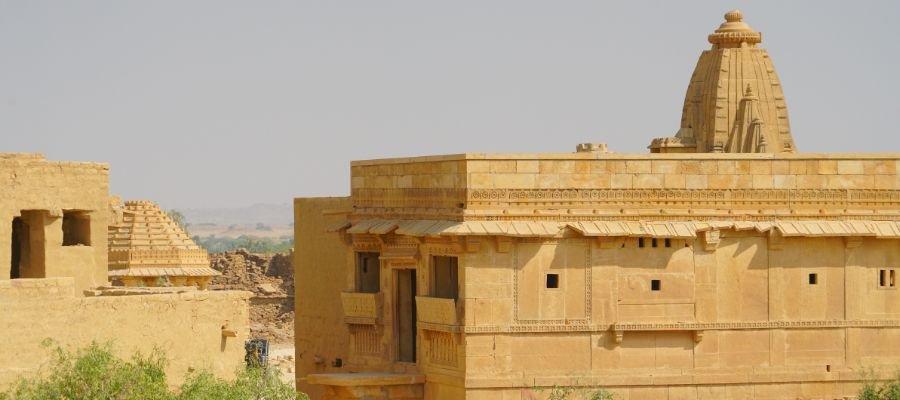
Kuldhara Village lies in the desert about 17–20 km from Jaisalmer, a spread of roofless sandstone houses, streets and courtyards frozen in mid-ruin. Low walls outline entire neighbourhoods, a temple still stands partly restored, and information boards guide visitors through the site, but there are no permanent residents—only tourists, caretakers and sometimes film crews. The place feels eerie but also peaceful: wind blowing through broken doorways, goats grazing among stones, and long shadows in the late afternoon. Many Jaisalmer desert tours include Kuldhara as a stop before heading on to the dunes.
About this place
History & highlights
Historical research suggests Kuldhara was founded around the 13th century by Paliwal Brahmins, skilled farmers and traders who developed prosperous villages in this arid region through advanced water management. By the early 19th century the village had been abandoned; scholars point to dwindling water supplies, declining productivity and heavy taxation by the Jaisalmer state as likely causes, with some studies even proposing earthquake damage. Local legend, however, tells a more dramatic story: that the oppressive minister Salim Singh tried to force marriage with a village girl, so the Paliwals fled overnight and cursed Kuldhara so no one could live there again. In recent years, Rajasthan Tourism and local bodies have stabilised structures, created pathways and used the “haunted village” narrative to draw visitors—making Kuldhara both a genuine archaeological landscape and a site wrapped in popular ghost stories.
Reviews
No reviews yet. Click “Write a Review” above to share your experience.