
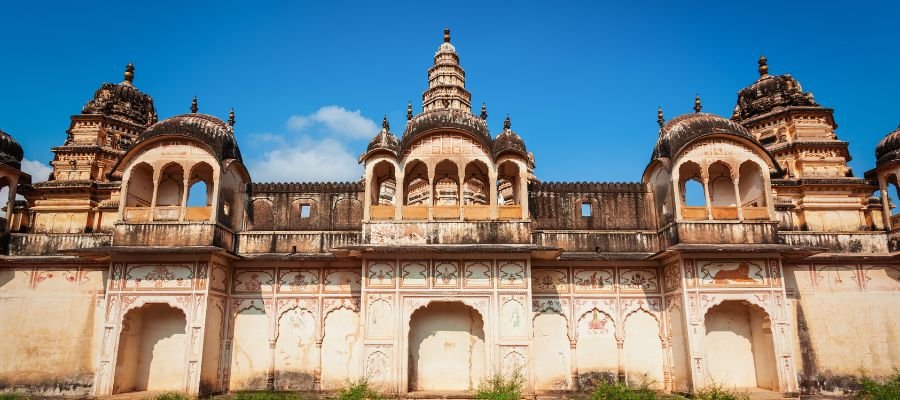
The Rangji Temple area is one of Pushkar’s most architecturally striking zones: tall gopuram-style gateway towers like in South India, courtyards with Rajasthani chhatris, and inner sanctums dedicated to Lord Ranganath (Rangji), a form of Vishnu. The complex actually includes Old Rangji and New/Sri Rangji structures, with richly carved gateways, frescoed corridors and a grand parikrama path. From outside, non-Hindu or foreign visitors can admire the fusion of South Indian, Rajput and Mughal styles that you don’t normally see elsewhere in Rajasthan.
About this place
History & highlights
Rangji is associated with the Ramanuja Vaishnava (Sri Vaishnava) tradition. The main temple complex in its current form dates to the early–mid 19th century, funded by Seth Puran Mal Ganeriwal, a wealthy merchant from Hyderabad, who commissioned the shrine around 1823–1844 as the first major South Indian–style Sri Vaishnava temple in Rajasthan. The design blends a high Dravidian gopuram, inner courtyards and idols aligned with Sri Vaishnava practice with Rajput and Mughal elements like chhatris and cusped arches – a conscious statement of how a pan-Indian sect localised itself in Pushkar. The outer parikrama corridor has frescoes depicting mythological scenes and has been open to foreign visitors since the 19th century, making it one of Pushkar’s earliest documented tourist attractions.
Reviews
No reviews yet. Click “Write a Review” above to share your experience.