
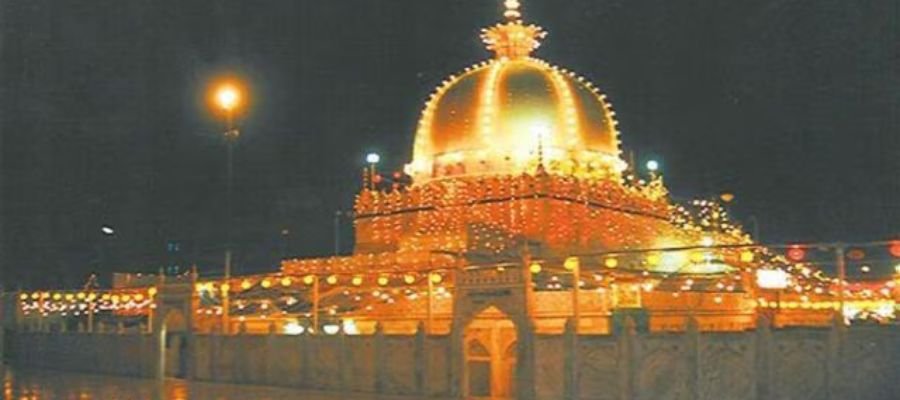
Ajmer Sharif Dargah is the spiritual heart of the city and one of the most important Sufi shrines in the world. As you enter through crowded lanes full of flower, chadar and incense shops, the white marble dome of the Dargah appears between buildings, shining above courtyards packed with devotees. Inside the complex are gateways, courtyards, langar kitchens, mosques and the marble tomb chamber of Khwaja Moinuddin Chishti, known as Gharib Nawaz (“Benefactor of the Poor”). Qawwals sing devotional songs, chadars are offered at the tomb, and free langar feeds thousands daily. During the annual Urs festival, the whole area glows with lights and the crowd feels like a river of faith flowing through the old city.
About this place
History & highlights
Khwaja Moinuddin Chishti, a Sufi saint from Sistan (in today’s Iran–Afghanistan region), settled in Ajmer around the late 12th–early 13th century, preaching love, service to the poor and spiritual equality. After his death in 1236 CE, his tomb became a centre of the Chishti Sufi order. The Dargah complex gradually expanded under Delhi Sultans, Mughals and later rulers: Akbar and Jodha Bai famously walked to Ajmer on foot to pray for a son; Mughal emperors like Akbar, Jahangir and Shah Jahan endowed mosques, courtyards and gateways here. Over time, Ajmer Sharif became a pan-Indian pilgrimage site where Muslims, Hindus, Sikhs and others all came to seek blessings. In modern India the shrine continues to symbolise interfaith devotion, even as it has survived events like the 2007 bomb blast and ongoing security and conservation challenges.
Reviews
No reviews yet. Click “Write a Review” above to share your experience.