
Sikkim Hidden Himalayan Gems
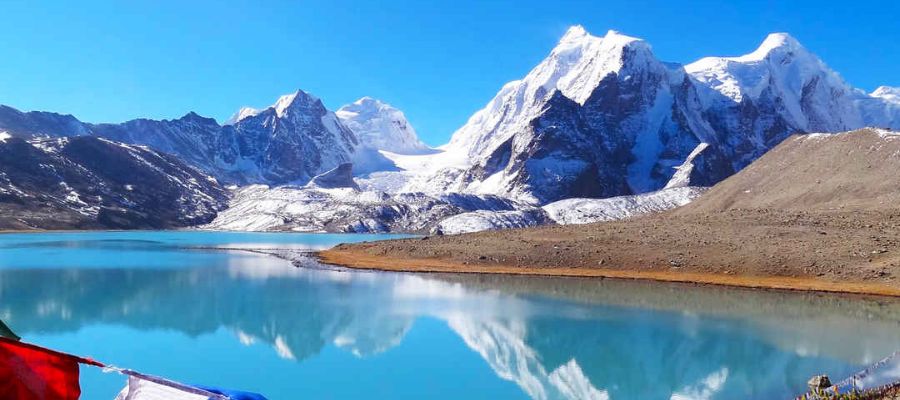
Sikkim Hidden Himalayan Gems. Sikkim is a land where nature, culture, and peace come together in perfect harmony, making it one of the most beautiful and soulful destinations in India. Nestled in the lap of the Eastern Himalayas, this small Himalayan state is blessed with snow-covered peaks, deep green valleys, crystal-clear rivers, and ancient forests that feel untouched by time. Dominated by the majestic presence of Mount Kanchenjunga, the third-highest peak in the world, Sikkim offers breathtaking views at almost every turn. The state is home to vibrant monasteries, fluttering prayer flags, and centuries-old Buddhist traditions that add a spiritual charm to everyday life. Unlike fast-paced tourist hubs, Sikkim moves at a gentle rhythm, where mornings begin with mountain mist and evenings end in calm silence. Its villages reflect simple living, warm hospitality, and a deep respect for nature. From colorful rhododendron blooms in spring to snow-blanketed landscapes in winter, every season paints Sikkim in a different shade of beauty. Whether it is the winding mountain roads, hidden lakes, sacred valleys, or organic farms, Sikkim leaves travelers with a sense of peace and a deep connection to the Himalayas that lingers long after the journey ends.
In this blog, we uncover Sikkim Hidden Himalayan Gems—places that remain untouched by mass tourism and give travelers a chance to experience the real Sikkim. If you love slow travel, peaceful surroundings, and authentic mountain life, this guide is for you.
Why Explore Sikkim’s Hidden Himalayan Gems?
Sikkim’s hidden gems are perfect for travelers who want more than just sightseeing. These places allow you to connect with nature, understand local culture, and enjoy true Himalayan serenity.
Key reasons to explore hidden gems of Sikkim:
- Less crowded and peaceful locations
- Pure mountain air and scenic beauty
- Authentic village life and traditions
- Ideal for photography and nature lovers
- Perfect for slow and mindful travel
Dzongu – The Sacred Land of the Lepchas
Dzongu is one of the most culturally rich and spiritually significant regions in North Sikkim. It is reserved mainly for the indigenous Lepcha community and remains untouched by commercial tourism. Sikkim Hidden Himalayan Gems.
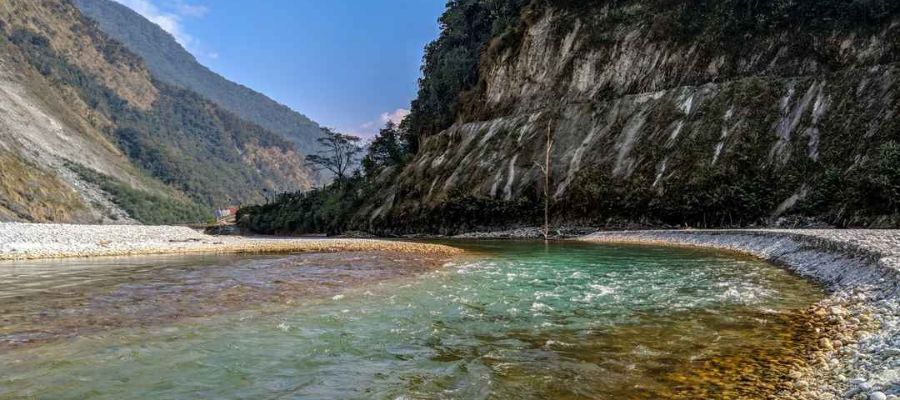
What Makes Dzongu Special?
- Sacred land with spiritual importance
- Traditional Lepcha villages
- Orange orchards, cardamom farms, and rivers
- Views of Mt. Kanchenjunga
Best Time to Visit: March to May, October to November
Zuluk – The Old Silk Route Village
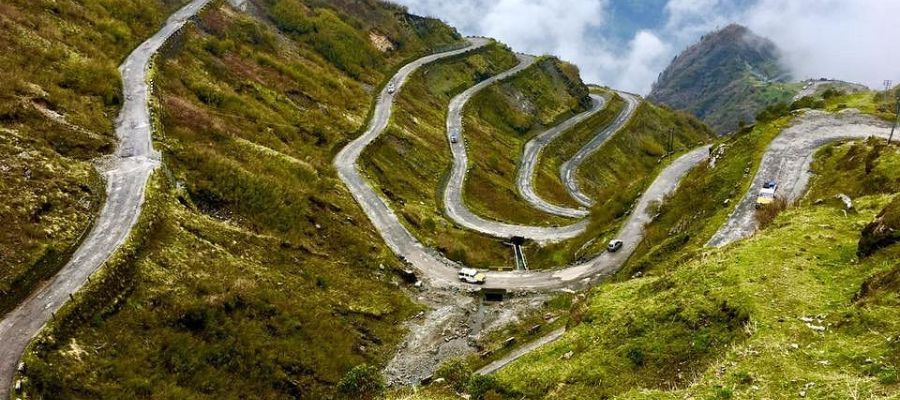
Zuluk is a small village in East Sikkim, located on the historic Silk Route. Once a trading hub, today it is a quiet mountain settlement offering dramatic landscapes. Sikkim Hidden Himalayan Gems.
Highlights of Zuluk
- Famous zig-zag roads with hairpin bends
- Sunrise views over snow-clad peaks
- Peaceful village life
- Rich history of ancient trade routes
Travel Tip: Carry warm clothes even in summer due to high altitude.
Rinchenpong – A Calm Himalayan Escape
Rinchenpong in West Sikkim is one of the most peaceful places in the state. Surrounded by forests and hills, it offers stunning views of Kanchenjunga without crowds. Sikkim Hidden Himalayan Gems.
Things to Experience in Rinchenpong
- Silent nature walks
- Monasteries and meditation spots
- Warm local hospitality
- Perfect sunsets
This place is ideal for travelers seeking rest, reflection, and relaxation. Sikkim Hidden Himalayan Gems.
Borong – Village with Hot Springs
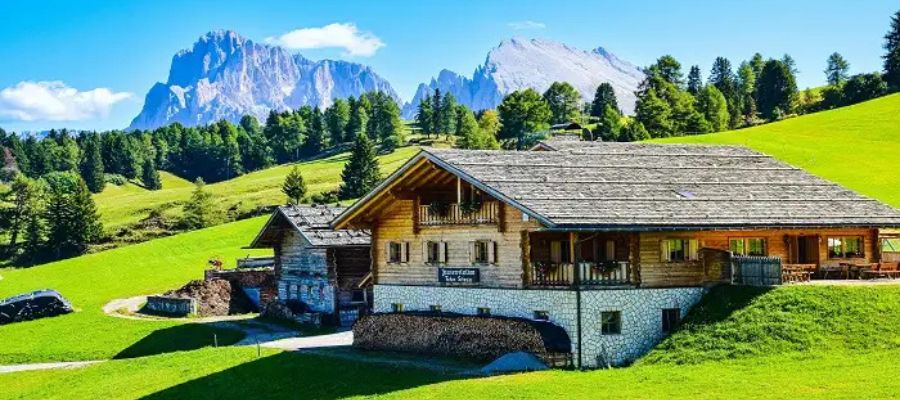
Borong is a hidden village in South Sikkim known for its natural hot water springs and panoramic mountain views. Sikkim Hidden Himalayan Gems.
Why Visit Borong?
- Natural hot springs near River Rangit
- Clear views of Himalayan peaks
- Ideal base for short treks
- Clean, eco-friendly environment
Best For: Wellness travel and nature lovers
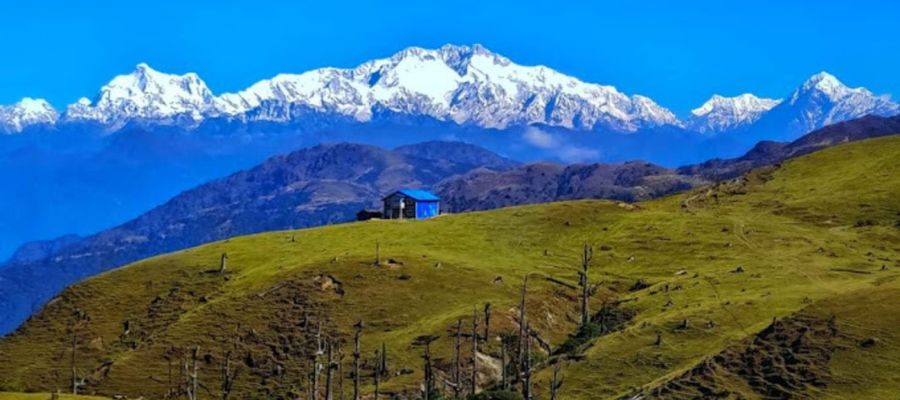
Lampokhari Lake – A Serene Secret
Lampokhari Lake is a lesser-known lake surrounded by pine forests. Unlike crowded lakes, this spot offers calmness and reflection.
What You’ll Love Here
- Quiet surroundings
- Crystal-clear water
- Ideal for short breaks
- Perfect for photography
It’s a great stop for travelers exploring offbeat Sikkim.
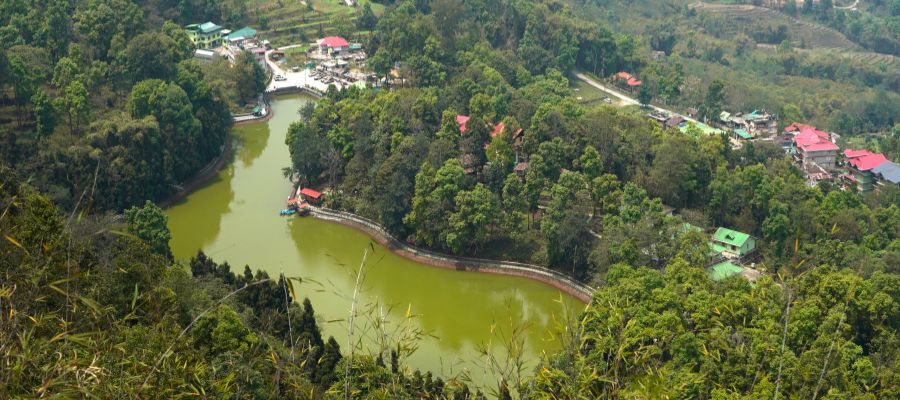
Hee Bermiok – A Green Cultural Haven
Hee Bermiok is a hidden eco-village in West Sikkim, famous for organic farming and cultural experiences.
Unique Experiences
- Organic food straight from farms
- Village walks and local traditions
- Homestay experiences
- Clean and green environment
This destination reflects sustainable tourism at its best.
Best Time to Explore Sikkim Hidden Himalayan Gems
Choosing the right season enhances your experience.
| Season | Experience |
|---|---|
| March – May | Pleasant weather, blooming flowers |
| June – August | Lush greenery, fewer tourists |
| September – November | Clear skies, mountain views |
| December – February | Snowy landscapes (select areas) |
Travel Tips for Hidden Places in Sikkim
- Carry valid permits for restricted areas
- Respect local culture and traditions
- Choose homestays to support locals
- Avoid plastic and protect nature
- Plan travel with buffer days due to weather
How to Reach These Hidden Gems
Most hidden destinations can be reached via Gangtok or Pelling. Shared jeeps and local taxis are common modes of transport. Roads may be rough, but the journey itself is part of the adventure.
Why Sikkim Hidden Himalayan Gems Are Worth Exploring
Unlike crowded tourist hubs, these hidden Himalayan gems allow you to:
- Slow down and reconnect with nature
- Experience untouched landscapes
- Learn about ancient cultures
- Enjoy peaceful mountain life
Traveling to these places is not just a journey—it’s a soulful experience. Sikkim Hidden Himalayan Gems.
Conclusion
Sikkim is more than popular viewpoints and busy streets. Its true magic lies in its hidden Himalayan gems, where nature speaks softly and life moves gently. From sacred valleys and quiet villages to secret lakes and cultural havens, these destinations showcase the heart of Sikkim.
If you are planning a trip that goes beyond the ordinary, let Sikkim Hidden Himalayan Gems guide your journey into the unexplored beauty of the Eastern Himalayas.